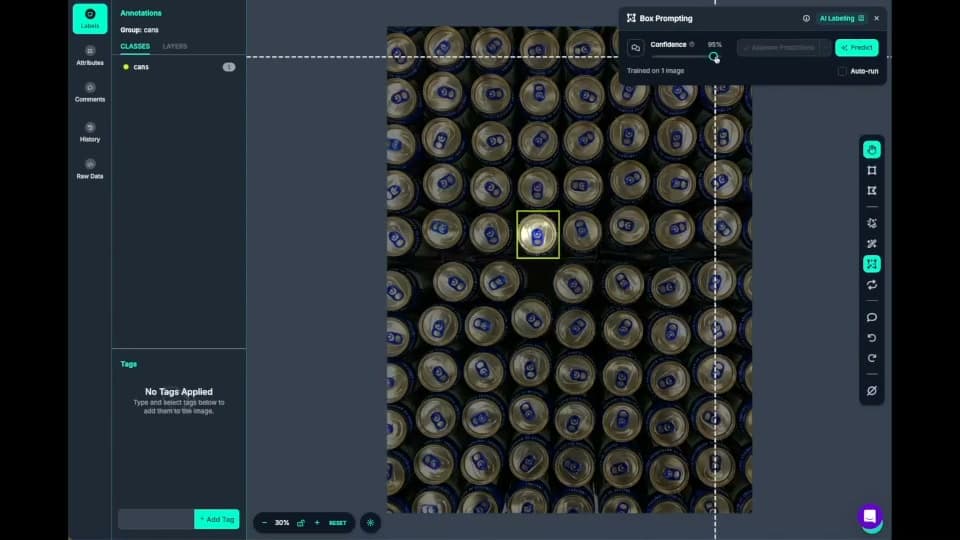
Fast data labeling
Label data quickly with a suite of AI-assisted annotation tools to augment human labeling or fully automate your data labeling pipeline.
Robovision AI vs. Roboflow? Over 1 million engineers create datasets, train models, and deploy to production with Roboflow.
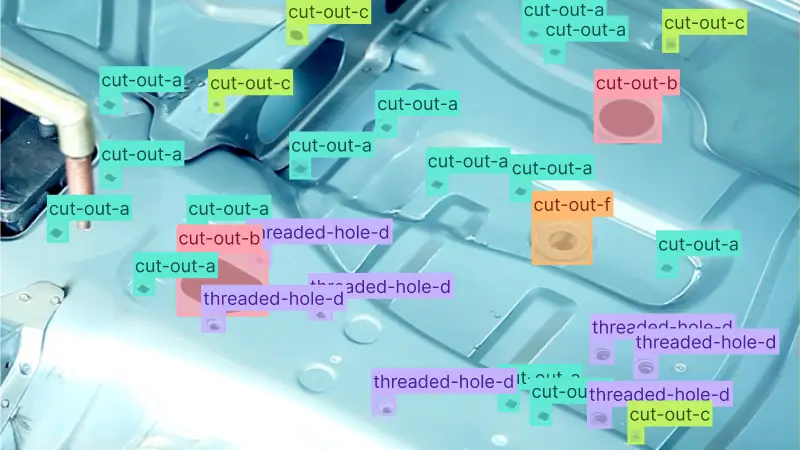
The turnkey solution for vision AI. Create datasets, train models, and deploy to production.
From labeling to deployment - build, train, and launch with ease.
Interoperable infrastructure for developers to create custom vision solutions.
Deploy seamlessly to any edge device and power real-time vision AI.
Label data quickly with a suite of AI-assisted annotation tools to augment human labeling or fully automate your data labeling pipeline.
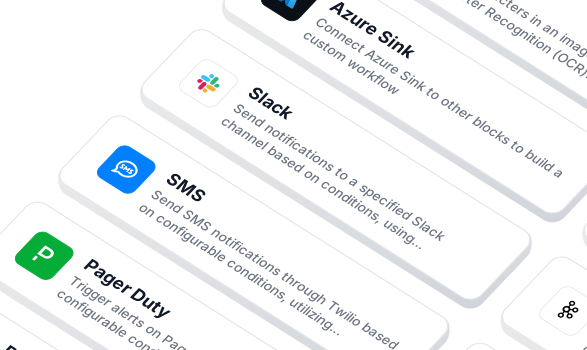
Use a low-code open source platform to simplify building and deploying vision AI applications.
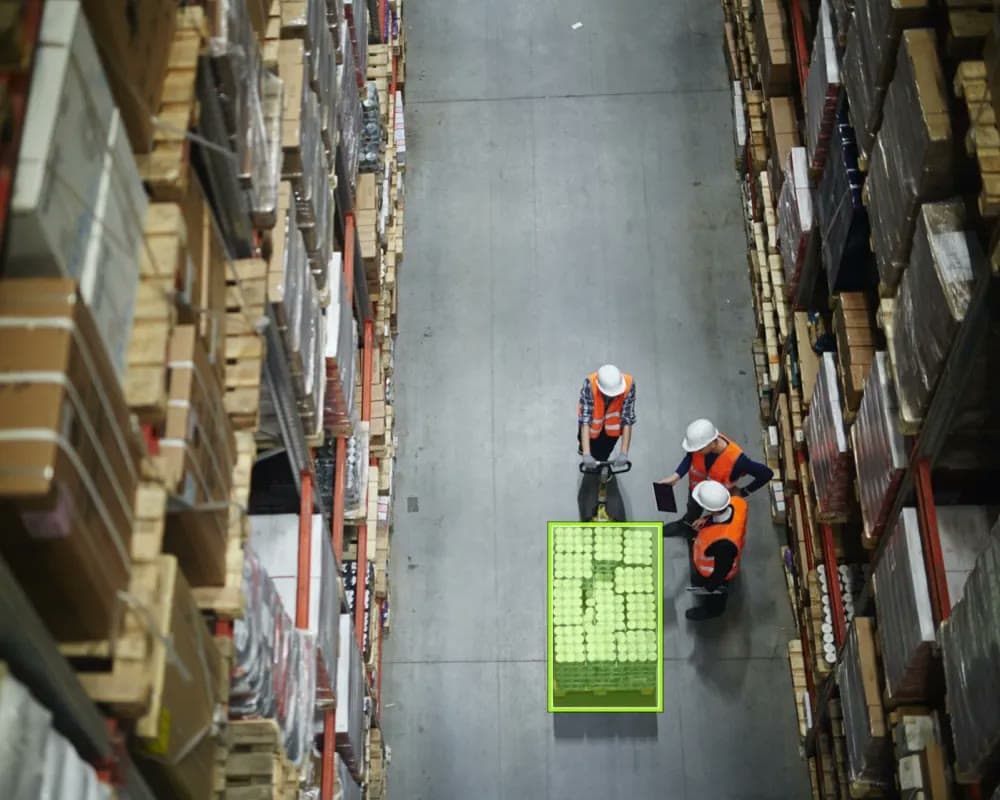
Work with account-dedicated AI specialists and Field Engineers to accelerate development and optimize performance.
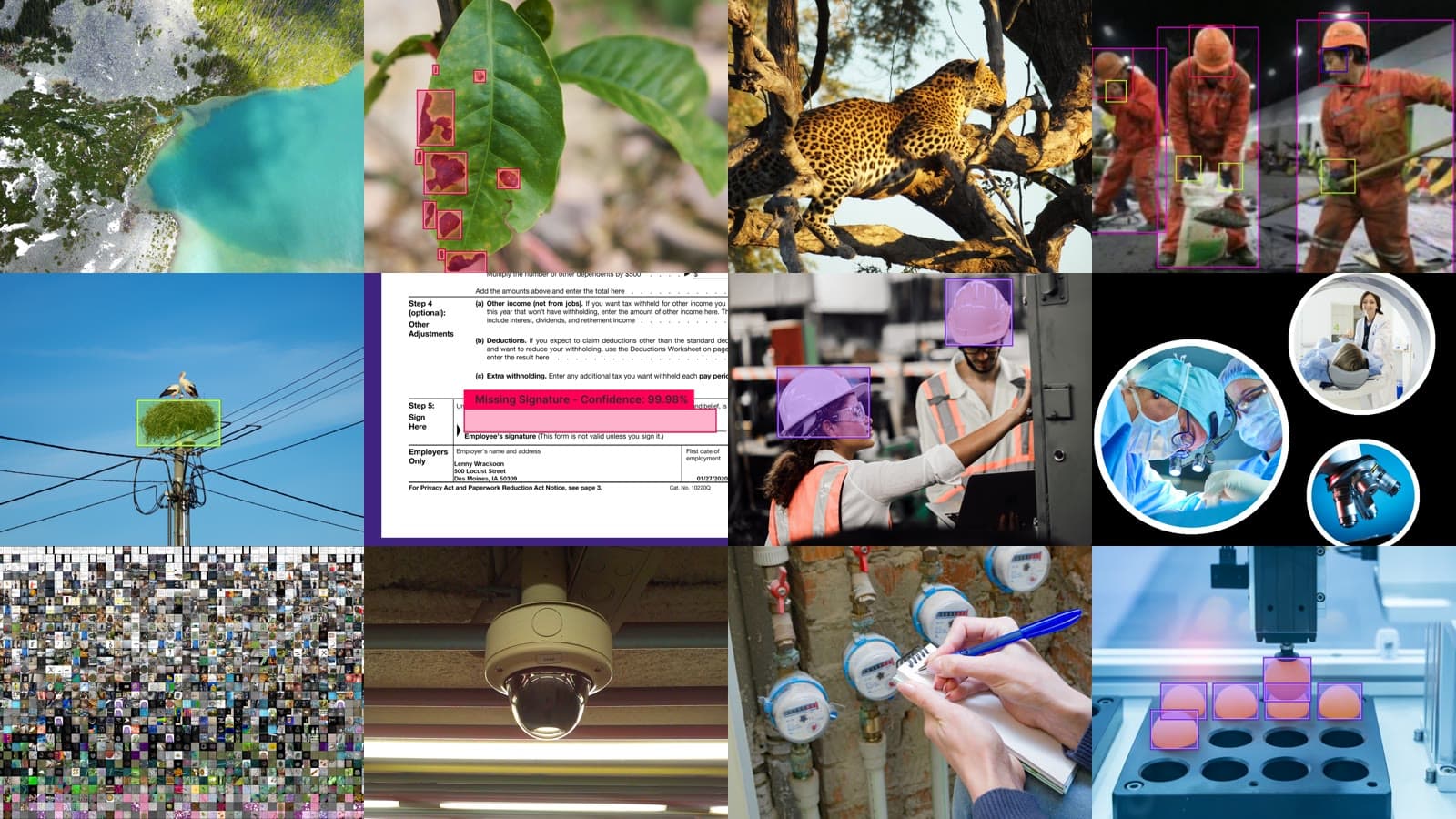
Access thousands of datasets and pre-trained models to kickstart your computer vision projects.
Choose from a range of licensing options to fit your needs, whether for commercial use, private deployment, or collaboration across teams.
Bring data from Robovision to Roboflow for model training.
No matter where you train your model, use Roboflow's trusted deployment solutions.
Use AI labeling in Roboflow to automate 90% of human labeling.
Roboflow makes it easy to build, train, and deploy custom computer vision models, even if you’re not a machine learning expert.
Our team will help you start solving business problems on the first call.
Ask us about:
Over 16,000 organizations build with Roboflow.
Roboflow
End-to-end computer vision platform
Robovision
No-code industrial vision platform (manufacturing, agriculture, healthcare)
Sources: roboflow.com, docs.roboflow.com, security.roboflow.com, universe.roboflow.com, github.com/roboflow, robovision.ai, aws.amazon.com/marketplace, marketplace.microsoft.com, techcrunch.com, crunchbase.com. Figures reflect publicly available information as of May 2026.