A Reference Camera, Lens and Lighting Setup for Small-Part Inspection
"Any camera works" is not a spec. Start from the smallest defect you need to catch, size the sensor, lens and light to it, and Roboflow handles the model.

AI for Small Part Inspection Camera Workflows
Choosing a camera for small-part inspection? Explore Workflows you can get started with to create computer vision apps in minutes. Try the top open and closed source models on images from your camera for free, then train a custom model in Roboflow and deploy it with Roboflow Inference.
How to Setup Small Part Inspection Cameras with AI
Size the sensor to the smallest defect, pick a lens for your working distance, light the part for the defect type, and mount it all rigidly. Collect images from that setup, label and train a model in Roboflow, then run it on AI1 or a Roboflow edge device connected to GigE cameras.
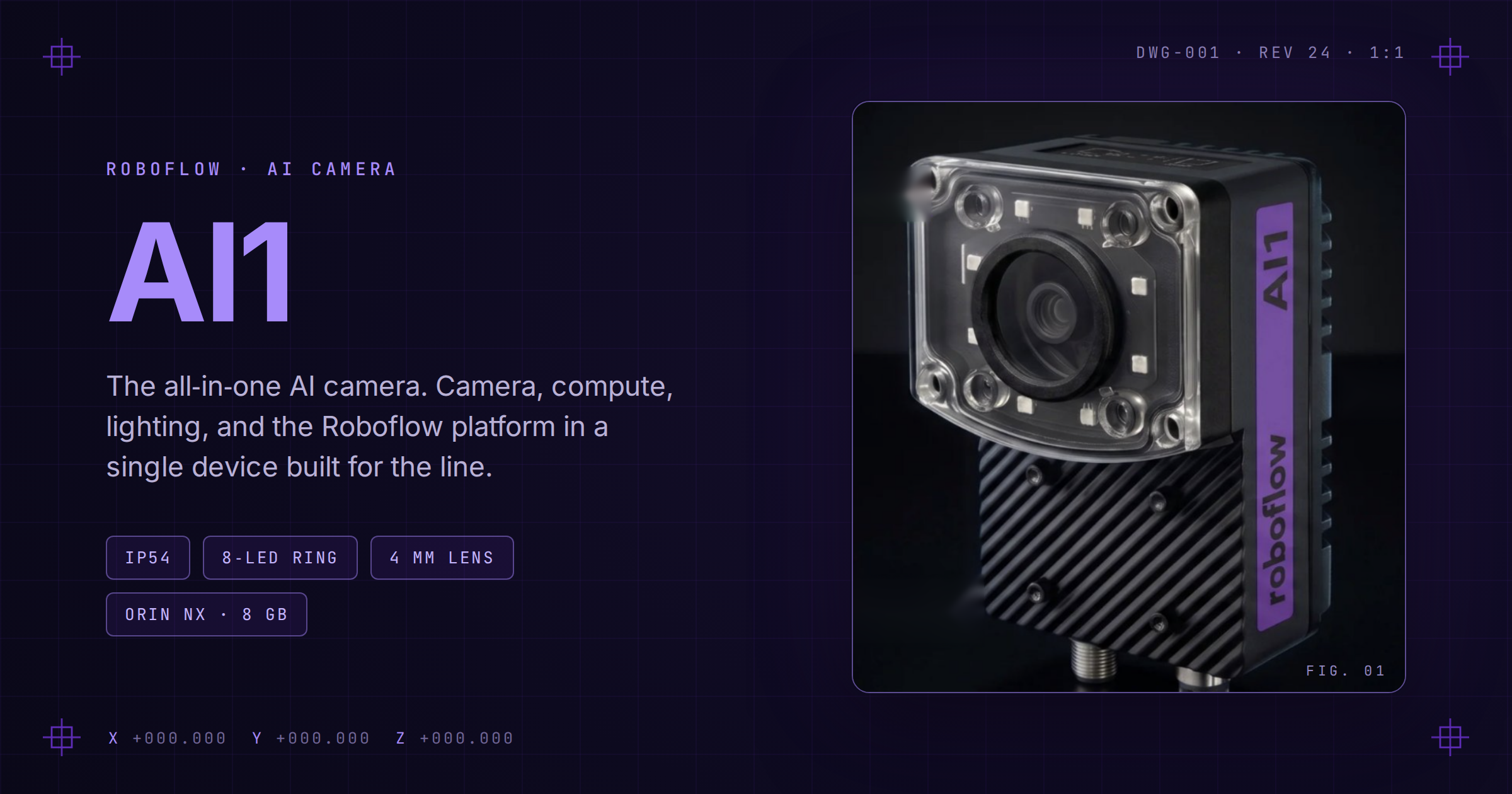
Meet Roboflow AI1
AI1 packages onboard AI compute, integrated lighting, and an industrial camera into one plug-and-play vision system.
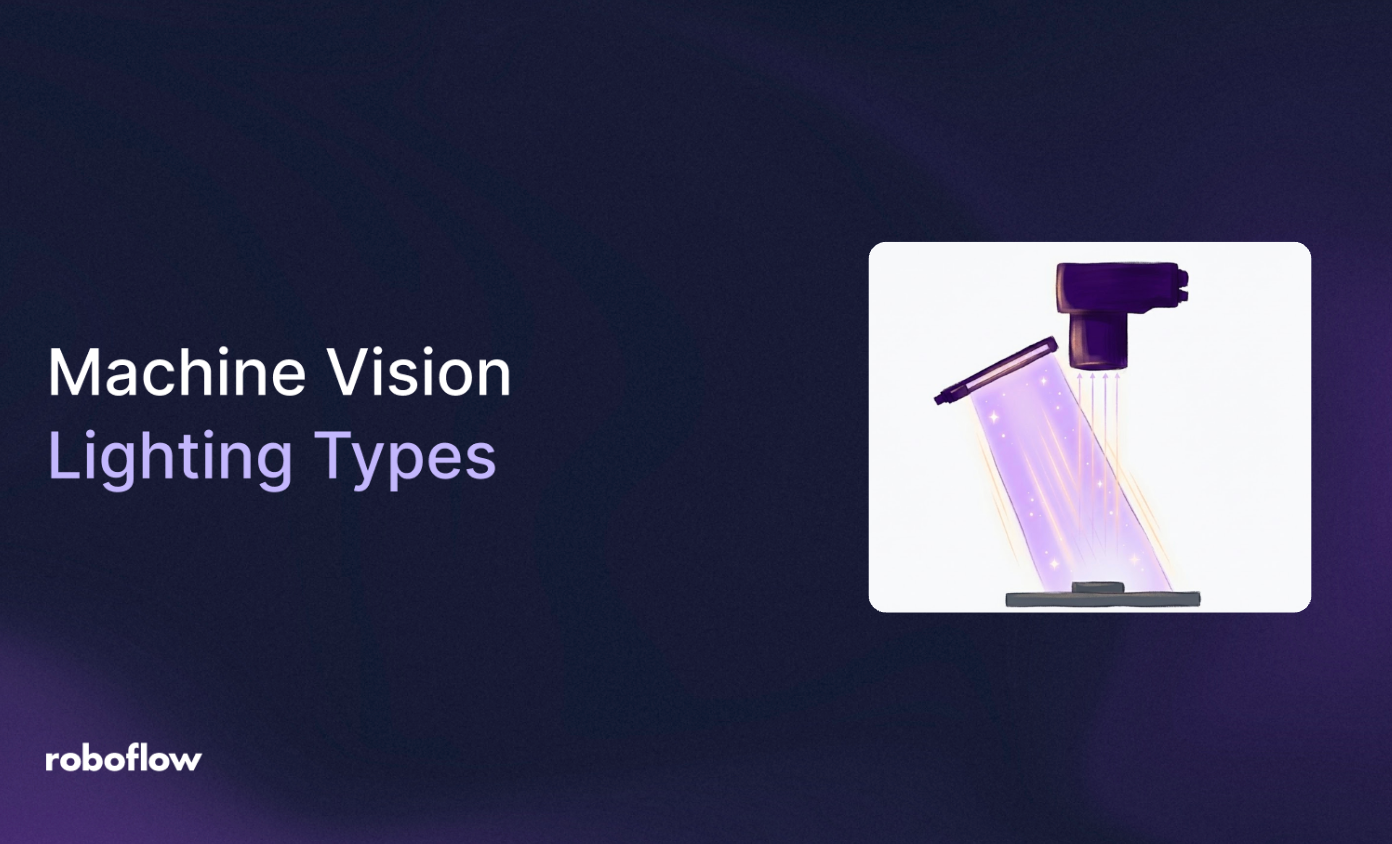
Machine Vision Lighting Guide
Compare ring, dome, coaxial, dark field, backlight and polarized lighting, and pick the one that makes your defect visible.
How to Choose a Lens for Machine Vision
Learn what to consider when choosing a lens, from working distance and field of view to sensor coverage and telecentric optics.
“The vision AI solutions we developed with Roboflow have been a core component of connecting our teams and unlocking their ability to collaborate.”
Lou Stocco
Director of Manufacturing Advanced Analytics, USG
Speak with an AI expert
Our team will help you start solving business problems on the first call.
Ask us about:
- Solution architecting
- Live demonstration
- Pricing and specifications
- Feasibility assessment
Over 80,000 organizations build with Roboflow.
- Rivian
- Pella
- Chobani
- USG Corporation
- BNSF Railway
- American Woodmark
Additional resources
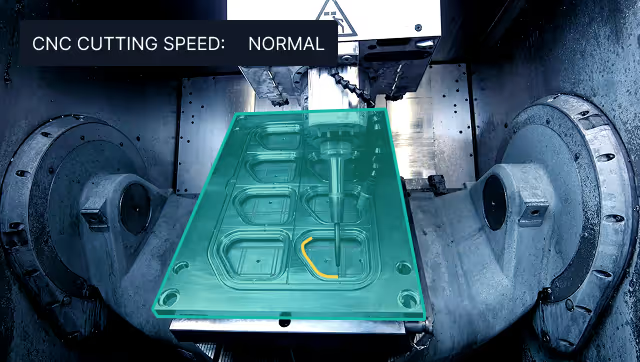
Vision AI in Industrial Manufacturing
Learn how manufacturers deploy Vision AI for quality control, worker safety, and process automation at scale.
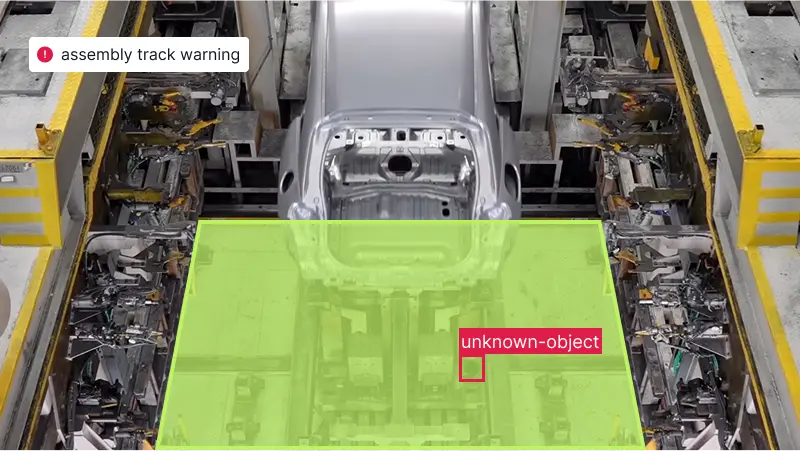
Vision AI in Automotive Manufacturing
See how automotive teams use Vision AI for assembly verification, defect detection, and safety monitoring on the line.
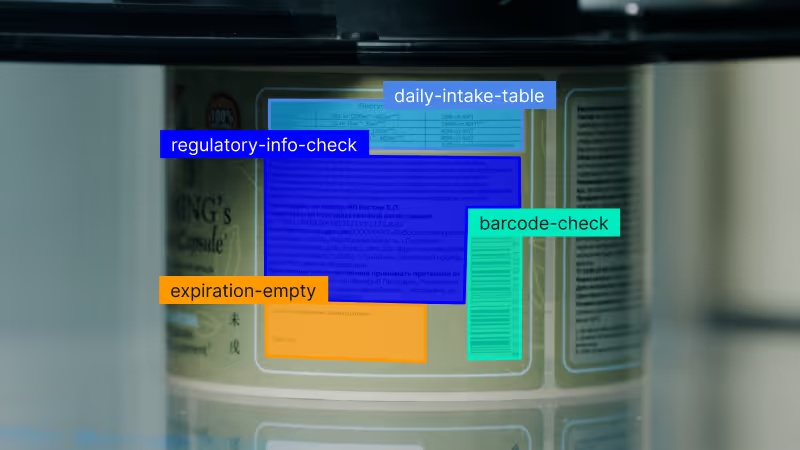
Vision AI for Consumer Goods
See how consumer goods brands automate quality inspection, packaging checks, and label verification with Vision AI.