Cameras for Robotics, with the Vision Model Built for Your Robot
Robots need cameras that match how they work: fixed above a cell, depth for picking, or on board a mobile robot. Roboflow trains the model on your own images and runs it on the camera or computer your robot uses.
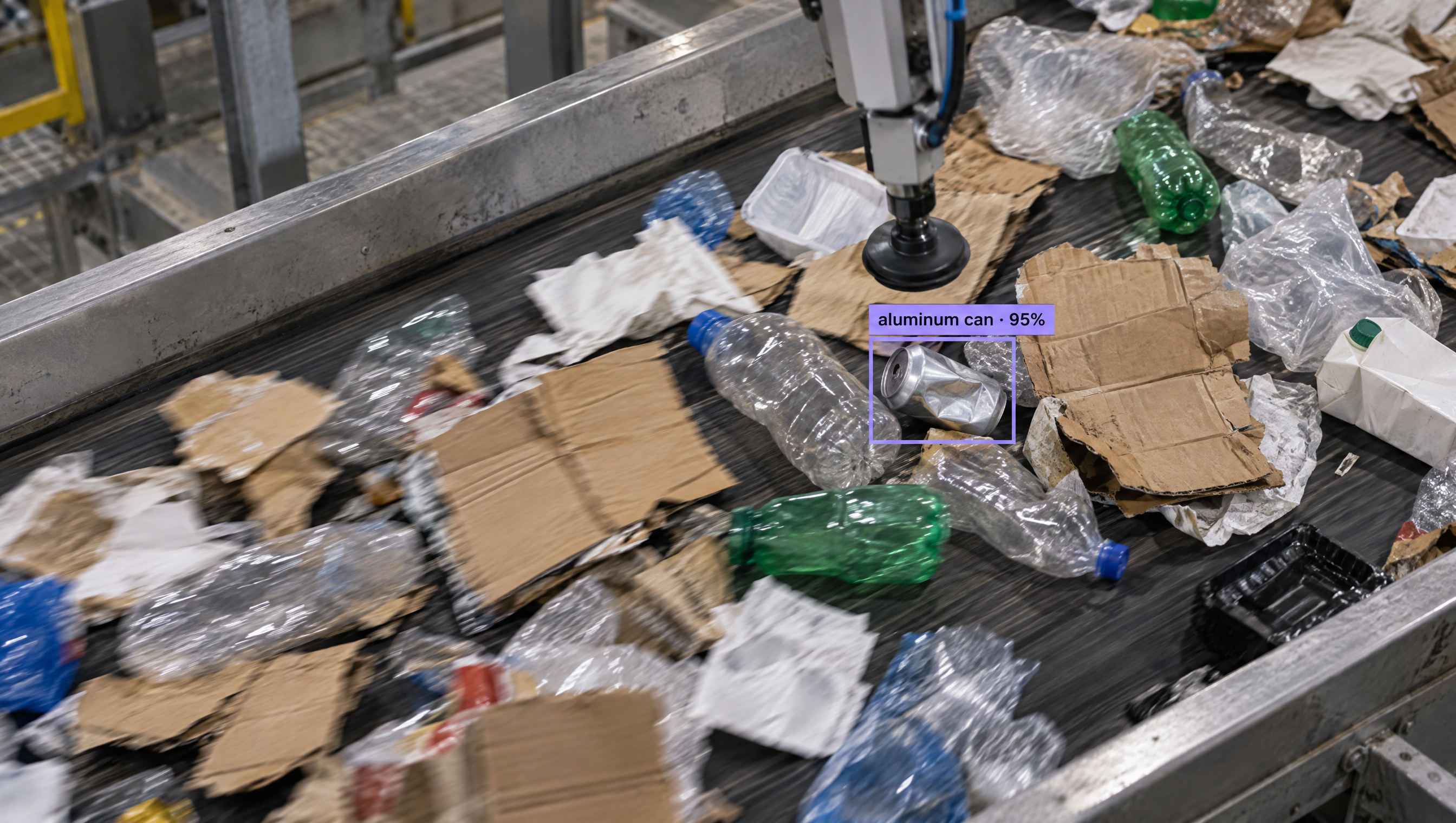
AI for Cameras for Robotics Workflows
Building a robot with a camera? Explore Workflows you can get started with to create computer vision apps in minutes. Try the top open and closed source models on frames from your robot's cameras for free, then deploy a Workflow that finds, measures, or checks objects for your robot in real time.
How to Setup Cameras for Robotics with AI
Robot cameras connect over USB, GigE, or RTSP to the robot's own computer, an edge device such as an NVIDIA Jetson, or AI1. Train a model in Roboflow and run it with Roboflow Inference, sending results to the PLC or robot controller.
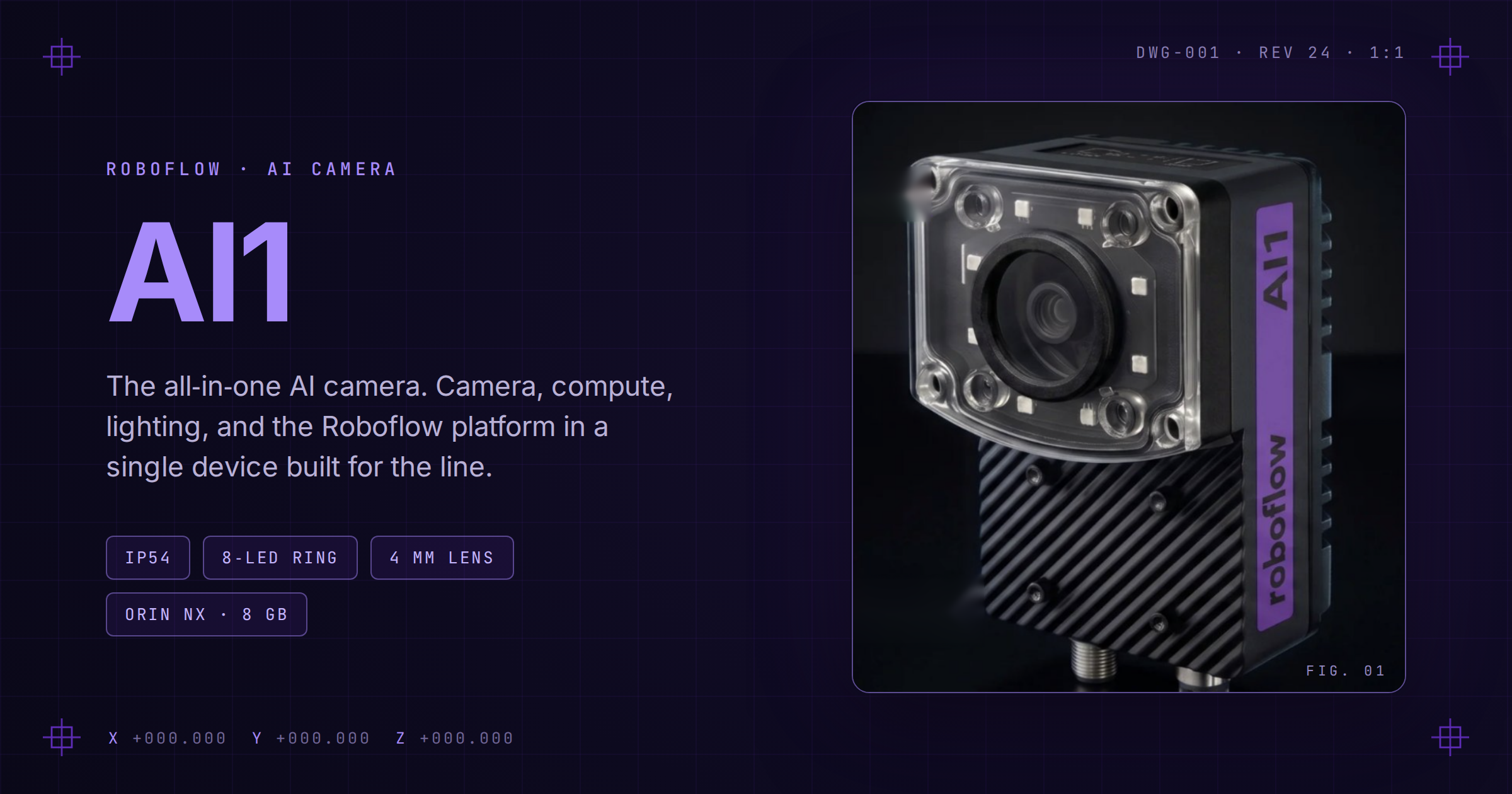
Meet Roboflow AI1 (opens in a new tab)
AI1 packages onboard AI compute, integrated lighting, and an industrial camera into one plug-and-play vision system.
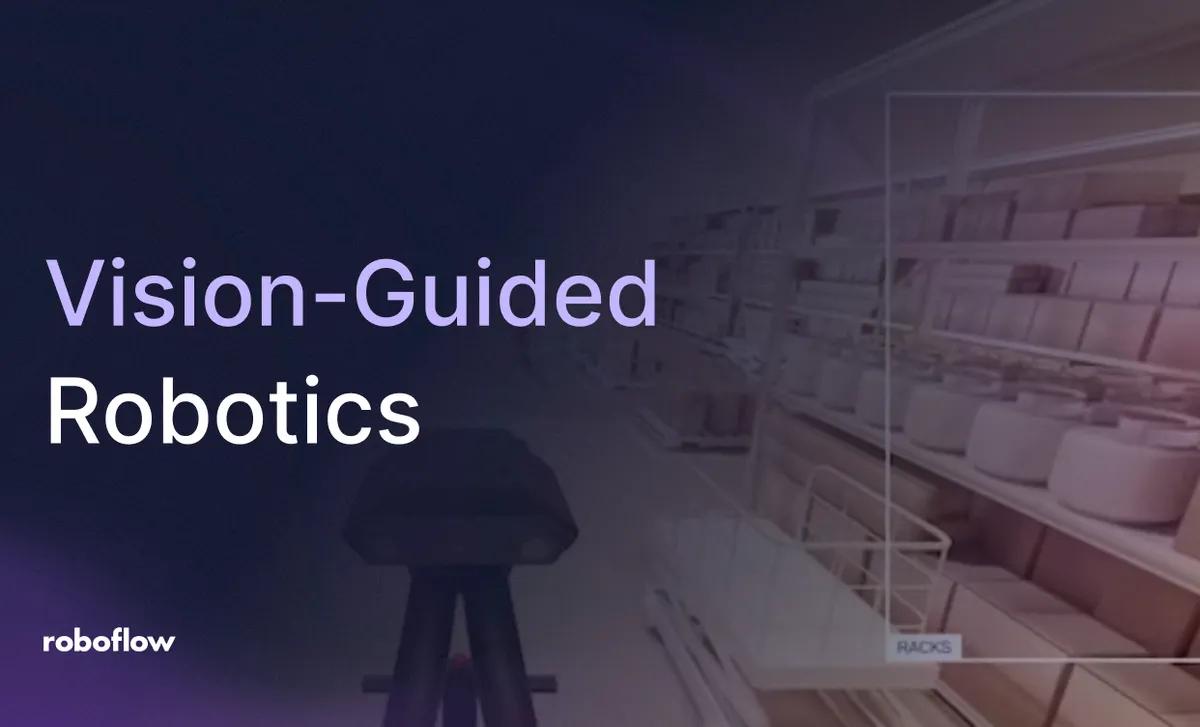
Vision-Guided Robotics Explained
Learn how vision-guided robots find, locate, and handle objects with computer vision.
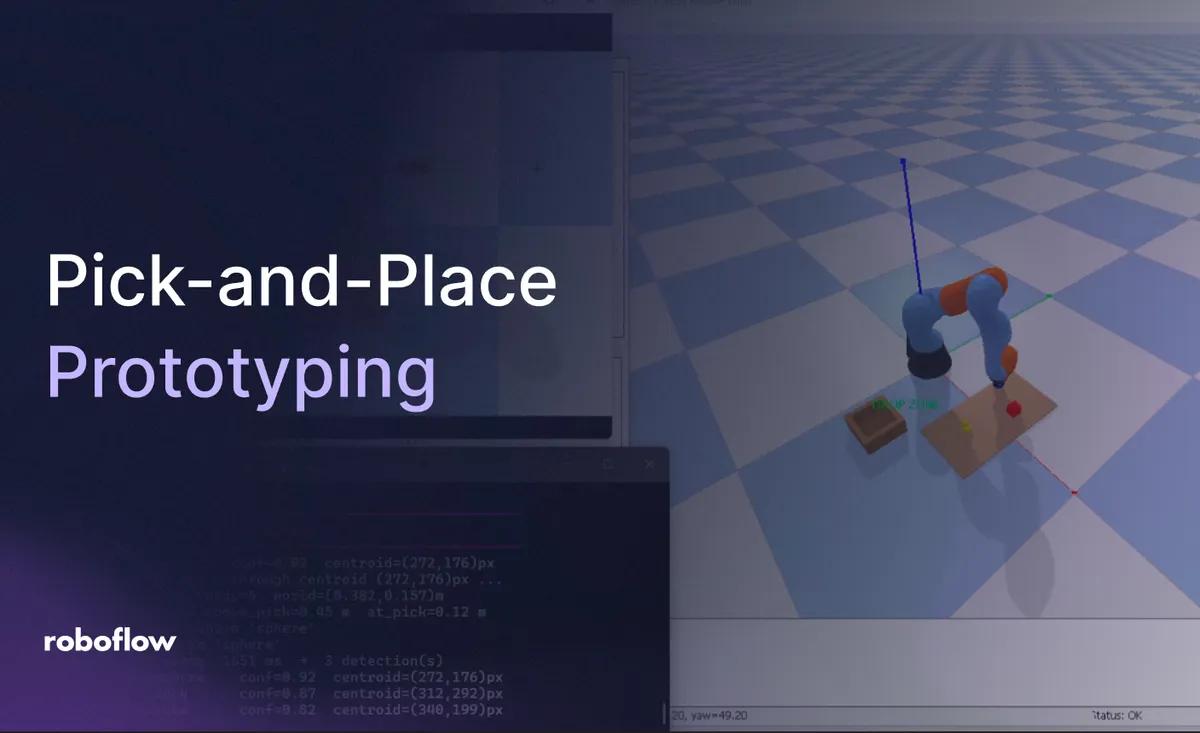
Pick and Place Robot Model & Prototyping
This guide builds two working pick-and-place robot prototypes using the KUKA IIWA arm, RF-DETR, and the PyBullet simulation environment.
“The future of automation isn't about retrofitting facilities for robots. It's about building robots that see and adapt to the real world. Vision AI makes that possible and is at the core of everything we do at Peer Robotics. With Roboflow powering our perception pipeline, we're deploying in existing facilities from day one.”
Rishabh Agarwal
CEO, Peer Robotics
Speak with an AI expert
Our team will help you start solving business problems on the first call.
Ask us about:
- Solution architecting
- Live demonstration
- Pricing and specifications
- Feasibility assessment
Over 16,000 organizations build with Roboflow.
- Rivian
- Pella
- Chobani
- USG Corporation
- BNSF Railway
- American Woodmark
Get the Latest in Computer Vision First
Additional resources
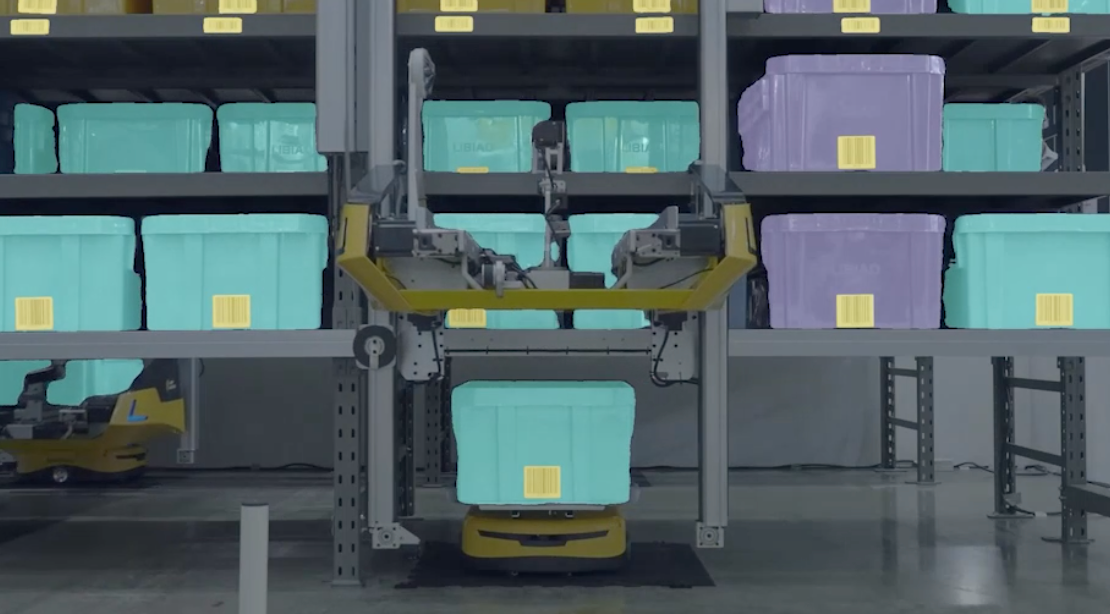
Vision AI for Robotics
Build systems that handle unstructured tasks, navigate diverse terrain, and collaborate with humans.
Vision AI for Warehouses
See how warehouses use Vision AI to improve productivity, track inventory, and keep workers safe around forklifts and docks.
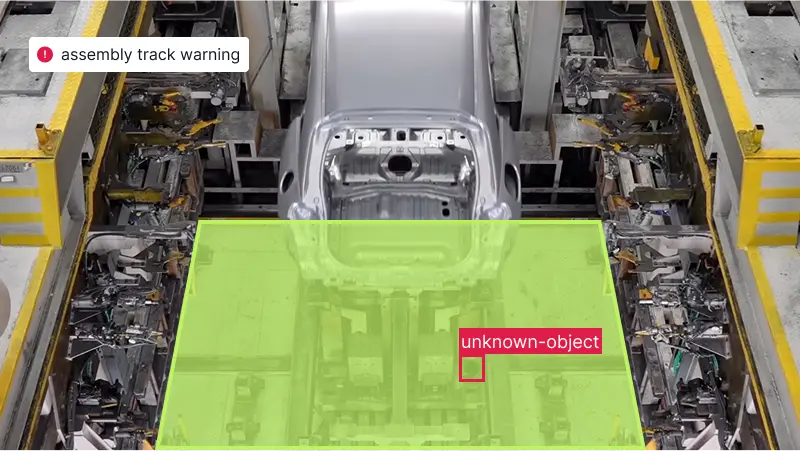
Vision AI in Automotive Manufacturing
See how automotive teams use Vision AI for assembly verification, defect detection, and safety monitoring on the line.