Build Vision AI on Footage from GoPro Cameras
GoPro's HERO and MAX cameras capture stabilized 5.3K and 8K 360 video anywhere. Roboflow turns that footage into custom detection, tracking, and classification models.
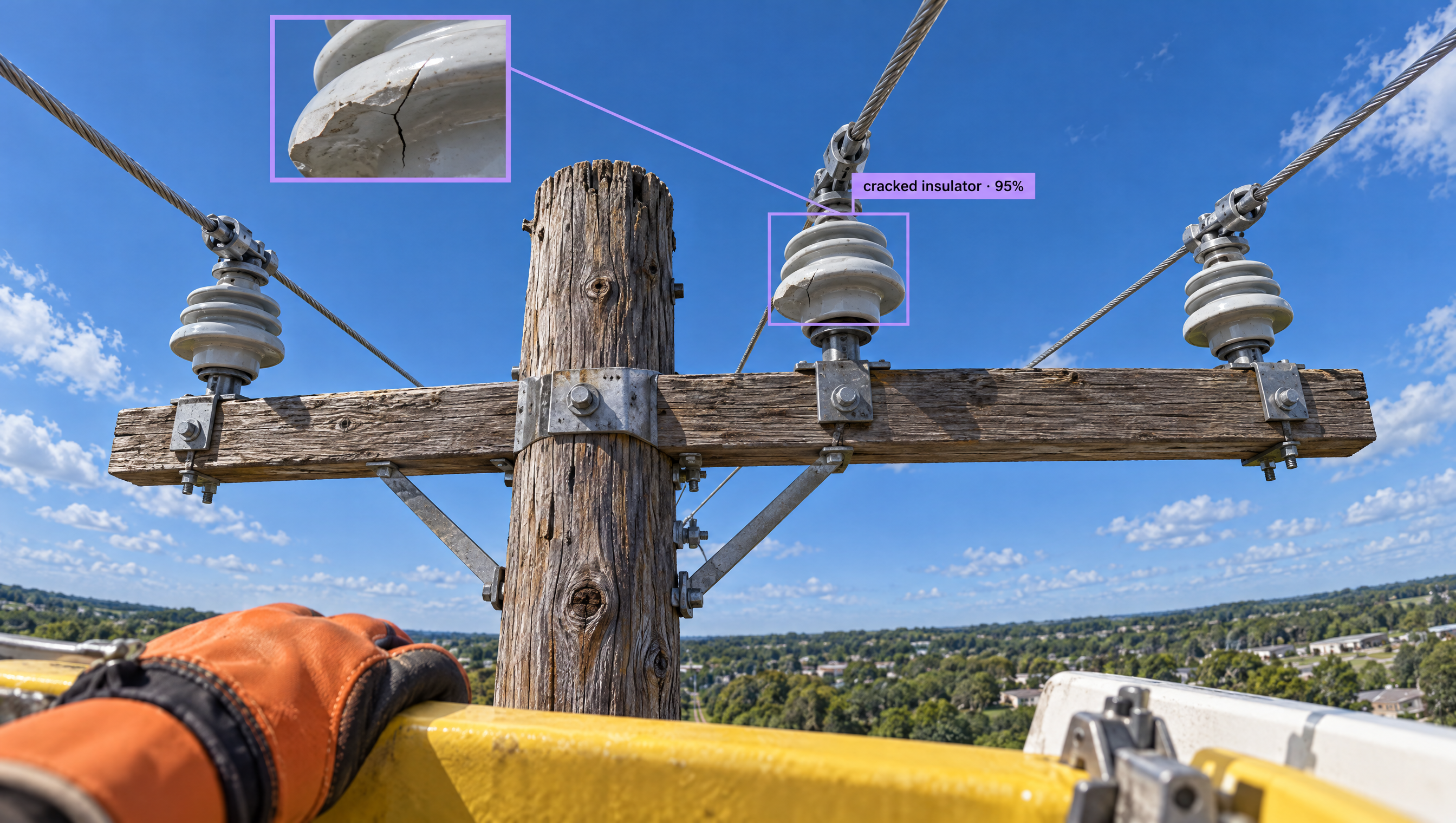
AI for GoPro Cameras Workflows
Use GoPro cameras? Explore Workflows you can get started with to create computer vision apps in minutes. Upload GoPro footage to Roboflow to label frames and train a model, then run it on recorded clips or on a live USB or RTMP stream with Roboflow Inference. Track players, count objects, flag hazards, or trigger alerts from what your GoPro sees.
How to Setup GoPro Cameras with AI
GoPro cameras can be used for computer vision tasks such as object detection and tracking. Record with any HERO or MAX camera and upload the clips to Roboflow to label and train, or connect a HERO over USB-C in webcam mode (or stream via RTMP) to a laptop, mini PC, or edge device running Roboflow Inference for live detection.
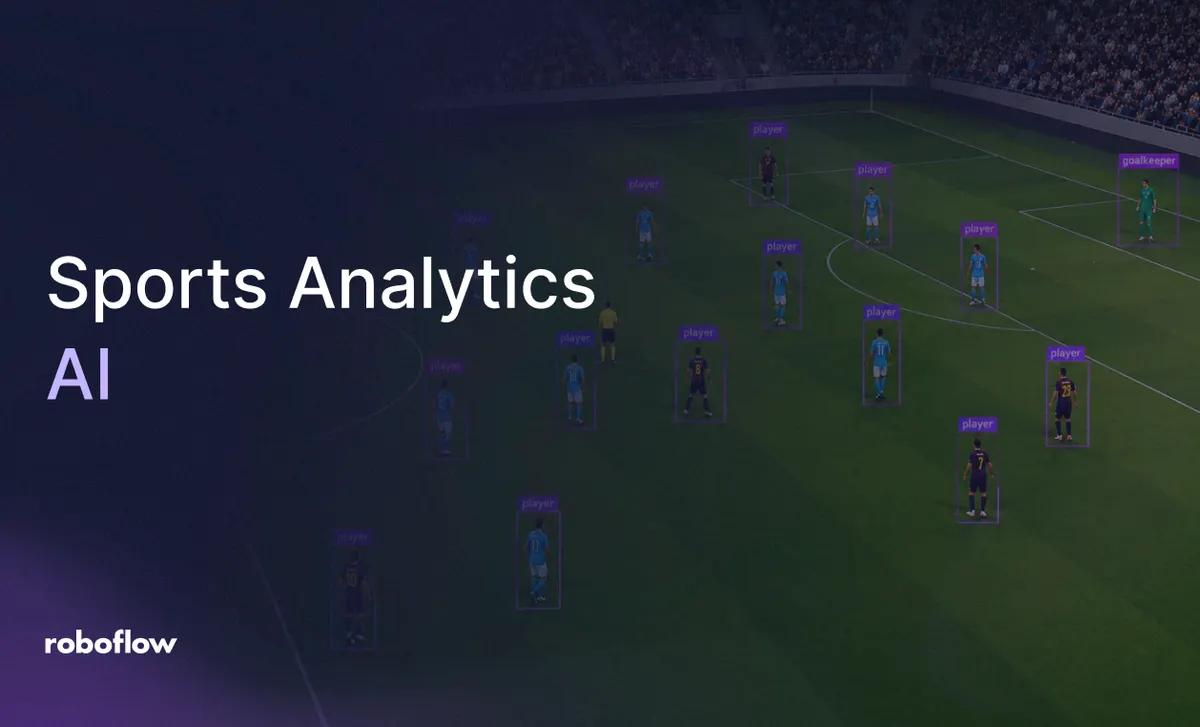
Sports Analytics AI with Roboflow
This tutorial builds an automated soccer formation analysis pipeline.
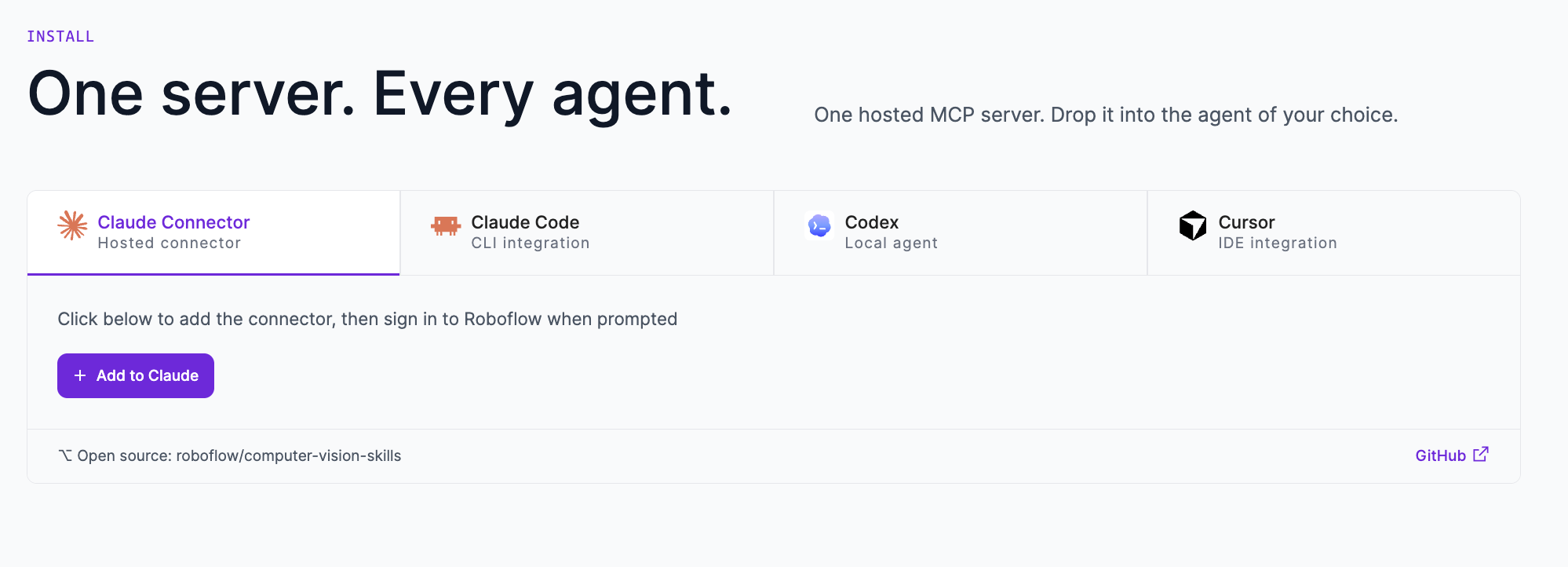
Roboflow is the Vision AI MCP
Give your coding agent direct access to Roboflow. Train custom models, run inference, and manage datasets, all from a prompt.
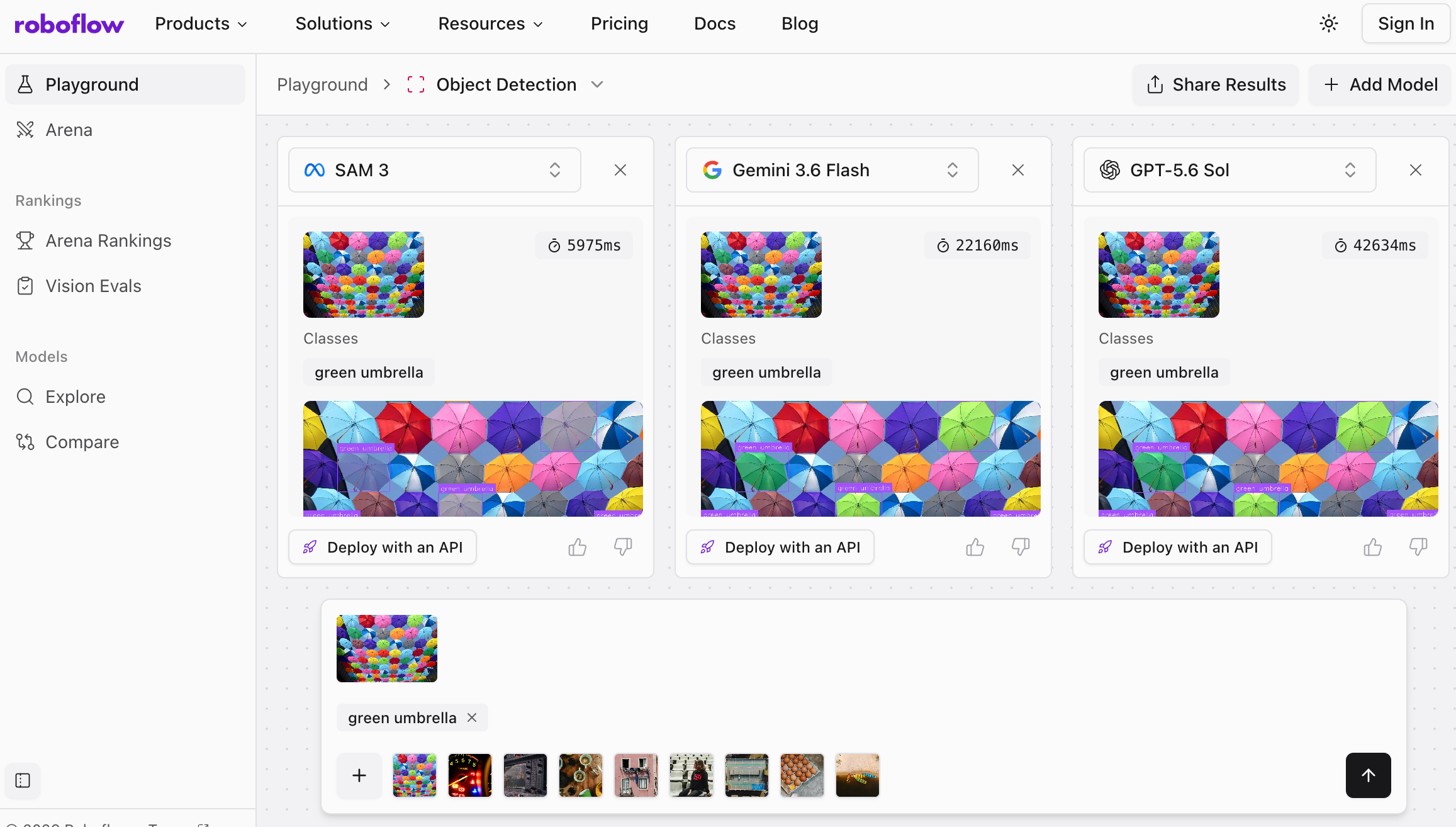
Find the Best Model for Your Images (opens in a new tab)
Try the top open and closed source models on your GoPro frames for free. Playground hosts open models on GPUs and no API key is required for models from OpenAI, Meta, Anthropic, and Google.
Speak with an AI expert
Our team will help you start solving business problems on the first call.
Ask us about:
- Solution architecting
- Live demonstration
- Pricing and specifications
- Feasibility assessment
Over 16,000 organizations build with Roboflow.
- Rivian
- Pella
- Chobani
- USG Corporation
- BNSF Railway
- American Woodmark
Get the Latest in Computer Vision First
Additional resources
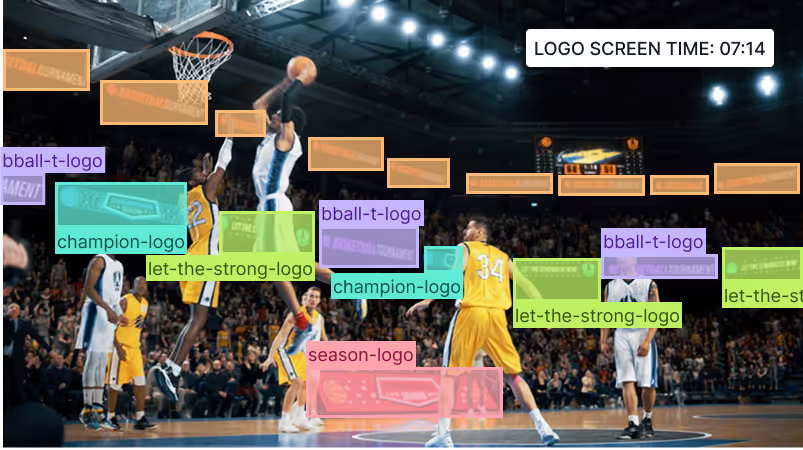
Vision AI for Media and Entertainment
See how media teams use vision AI to track brand, advertising, and content placements across physical and digital spaces.
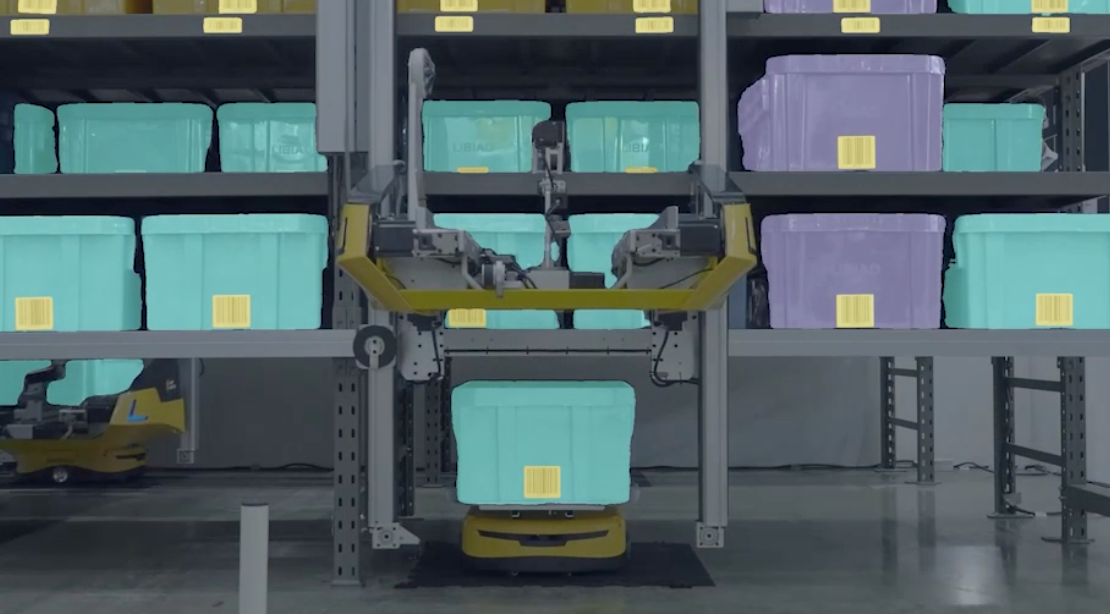
Vision AI for Robotics
Build systems that handle unstructured tasks, navigate diverse terrain, and collaborate with humans.
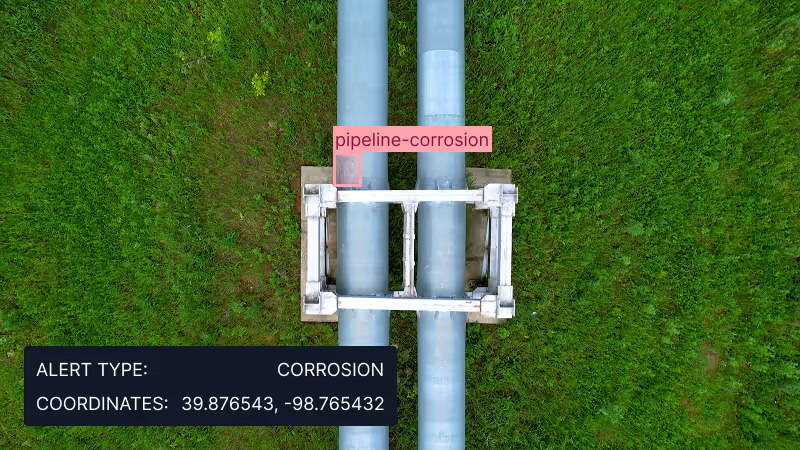
Vision AI for Energy and Utilities
Explore how energy and utility operators deploy vision AI across inspections, field operations, and infrastructure.