Using Computer Vision to Fight Coronavirus (COVID-19)

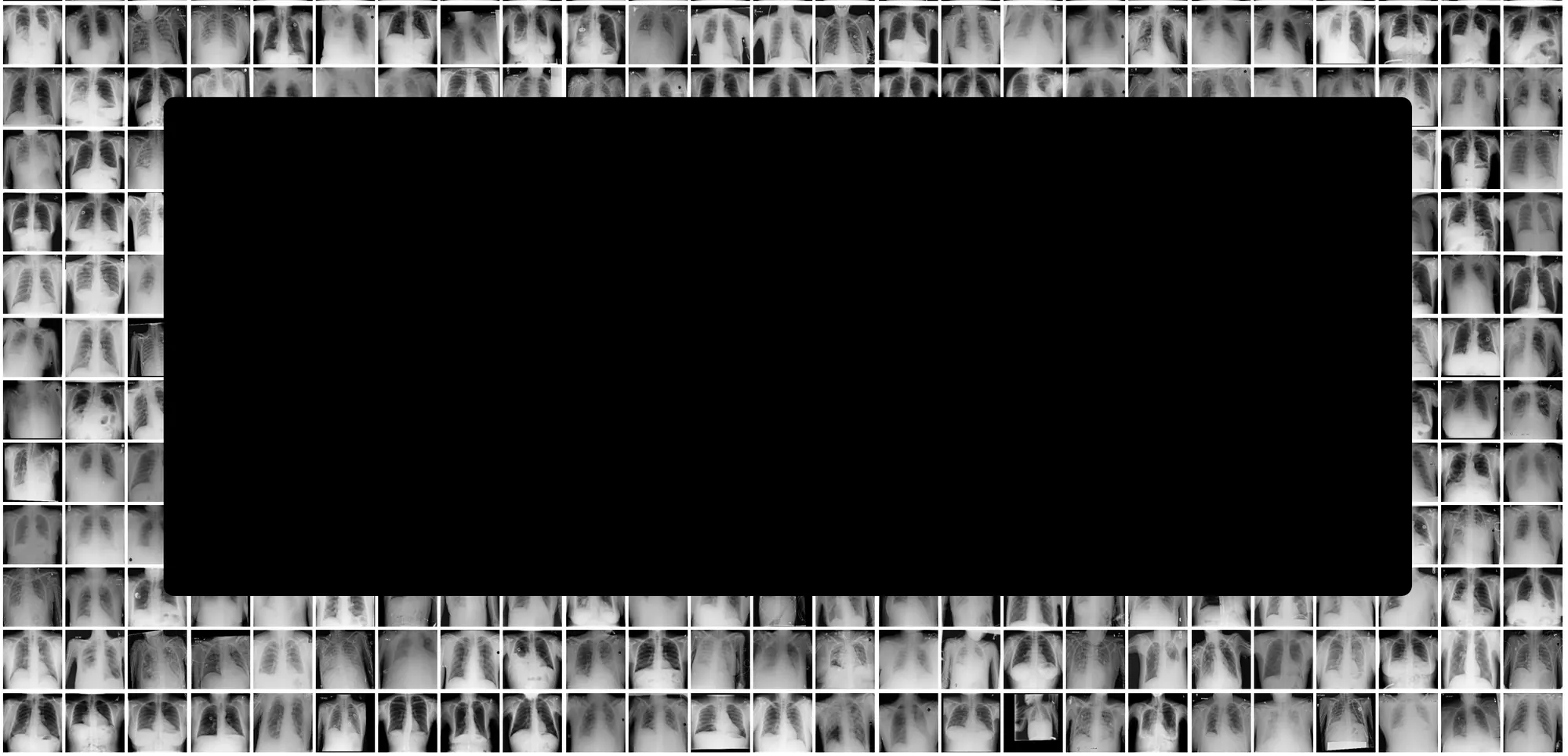
As global coronavirus case numbers continue to climb, troubling stories of hospital shortages, deaths, and disrupted communities fill the news. Frankly, it can leave one feeling disempowered – especially when the primary calls to action are staying home and wearing masks (opens in a new tab).
Amid the global illness, there have been uplifting stories. Apple is using its unique supply chain to source and donate 10 million masks (opens in a new tab). Medtronic is open sourcing (opens in a new tab)their designs to create portable ventilators. Countless other companies are using their strengths to make a difference.
We took a look at what we at Roboflow could also do as a company to make an impact.
Computer Vision and Coronavirus
While formal laboratory testing leveraging polymerase chain reaction (PCR) (opens in a new tab) remain the deserved authority on making a diagnostic call for a patient, the shortage of testing infrastructure begs the question if we can identify the novel coronavirus in alternative ways.
In fact, there's a growing body of literature (opens in a new tab) to support that chest scans may be a useful tool for diagnosing COVID-19 in patients. In hospitals where testing infrastructure may be slim yet radiology equipment is readily available, having a patient receive a chest x-ray for interpretation is a welcome alternative. Even if it is an imperfect diagnosis, gaining additional information rather than doctors needing to triage resources blinds saves lives.
Radiology in particular as been ripe for computer vision-assisted medics. Medical imaging is exactly an area where an algorithm might be able to pick up on patterns doctors would otherwise miss.
Doing Our Part: Making Data More Accessible
To the tremendous credit of hundreds of researchers, COVID-19 scans are increasingly becoming available. Moreover, we already have seen open sourced datasets on pneumonia (opens in a new tab) (which also affects the lungs and appears fairly similarly in radiology exams). Combining these enables a clearer picture for algorithms to gain a better view of what is unique to COVID-19 patients.
While these datasets are being open sourced (opens in a new tab), their accessibility and usability is limited. Perhaps images are made available in DICOM (opens in a new tab), but computer vision applications assume JPEGs. In other cases, images may be annotated in a format for one model framework but not easily available in another.
We're collecting and re-hosting datasets with an explicit public license to ease research efforts. We understand this is a tiny part of a much bigger picture – and, when testing equipment becomes truly widespread and faster, we can rely solely on that for diagnoses.
Thus, we welcome anyone working on COVID-19 imaging work to please freely use the dataset available at: https://universe.roboflow.com/ (opens in a new tab). Please contact us if you find any discrepancies or have additions in mind.
Stay safe.